Take the Blinders Off
This is a subtitle for your new post

Many high school student-athletes are convinced that Division I is the best and only option when it comes to playing in college. So, when they finally get to to the recruiting process their main focus is playing Division I and not finding the school that fits their academic, athletic, and personal needs. This is what we call the DI Blinders. I have heard "I have to play Division I" more times than I would like to admit. We need more student-athletes to "Take the Blinders Off."
I believe this is the biggest pitfall kids make navigating through the college recruiting process. There is nothing wrong with keeping an open mind early on in the recruiting process. Student-Athletes should not overlook any opportunities that are presented to them, whether it is DI, DII, or DIII. The experience alone visiting schools and meeting with college coaches will provide enormous value as the recruiting process continues. As you look at what each opportunity or experience can offer you , you will start to gt a better idea of what will be the right fit.
Most students believe that the best teams and best players are at the Division I level. For the most part that is an accurate statement but that does not run true across the board. I know plenty of Division III student-athletes who were good enough to compete at the Division I level but wanted to a more balanced college experience, and there is nothing wrong with that. And I also know student-athletes who chose Division I but probably would have been a better fit athletically for DIII but were caught up in the DI .....
There are over 1,100 NCAA Institutions that offer varsity intercollegiate athletics. In addition, another 1,000 schools or so in other athletic associations like NAIA, NJCAA, NCCAA, USCAA, and others. There are schools that can offer you an incredible athletic experience while providing you with a excellent education to prepare you for your next stage in life. If you want to play in college than there is a program out there for you, you just need to find it.
Case Study
A female soccer player who had aspirations of playing at the highest level of college soccer. A very talented player who possessed strong academics built a list of some of the best Division I soccer programs on the East Coast. She began sending emails to the coaches to express interest in their programs. She attended a number of ID Showcases and Clinics over the course of the year. But didn't feel like she was receiving much interest from some of the coaches.
My Recommendation (Summer prior to Junior Year) To expand her list of schools and start adding some DII and DIII schools to the list. I provided a list of 10-15 DII and DIII schools where I thought she would be a good fit both academically and athletically.
When September 1 of junior year arrived her communication with many of the DI programs was very limited but she still wanted to pursue those opportunities. Some of those DI programs offered her a walk-on spot but she was not getting much interest as a scholarship player. Cost was not an issue for the family but she still wanted to play at the highest level. She continued attending Division I ID Clinics during the fall of her junior year and still wasn't receiving much love from the coaches.
It wasn't until December that she started to receive some interest but more from DII and DIII schools which were on her updated list. So, finally she changed her tune and started looking at some DII and DIII scchools. She began emailing with coaches, attending their ID Clinics, and arranging campus visits. In January she visited one of the DIII schools and just fell in love with the place. And after her visit, time spent with the coaching staff, and their ID Clinic. She knew it was the place for her. In early spring of her junior year after she made more campus visits she finally committed to that DIII program she visited in January.
She has been a two year starter and loving life at her school.
She ultimately ended up at a school that was the right fit for her. But there were many months where she was stressed out because of the process. She had feelings of doubt about her abilities. I believe she could have alleviated some of those stressful moments, if at the beginning she was looking at the DII and DIII opportunities as well as the DI programs.
Scenario
If you were a high school student-athlete who was maybe deciding between some smaller DI programs and Top Rated DIII programs do you know which you would choose? Maybe you were offered a walk-on opportunity at the Division I level and at the DIII program you could contribute immediately as well as compete for conference and national championships. Which direction would you go?
These are questions that prospective student-athletes need to address. It shouldn't be as cut and dry as DI, DII, or DIII but for many it is the allure of Division I that draws them in.
My P.S.A to those student-athletes about to embark on the college recruiting process.
- Keep an Open Mind
- Explore all of your opportunities
- Don't close the door too early on any school, program, or coach
- Don't burn any bridges
- Be open, honest, and upfront with all coaches
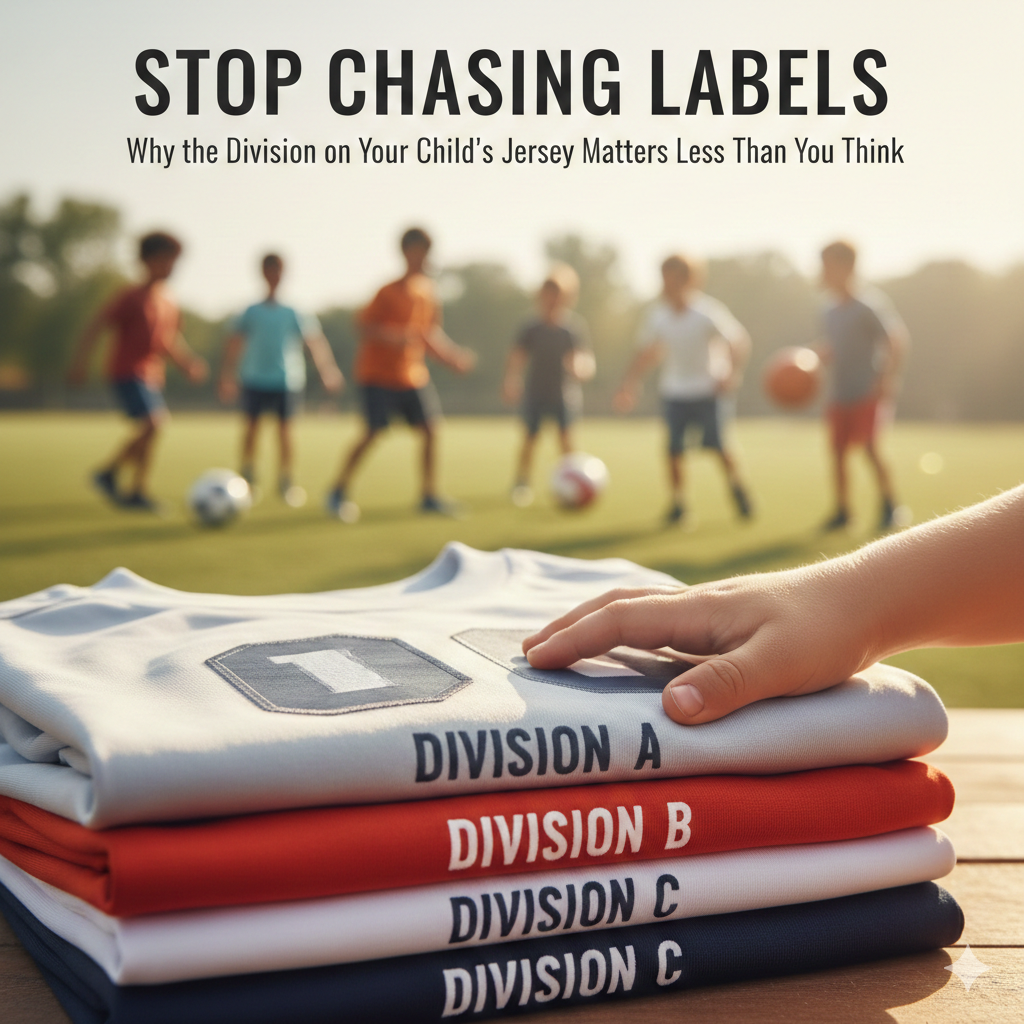
Why the Division on Your Child's Jersey Matters Less Than You Think
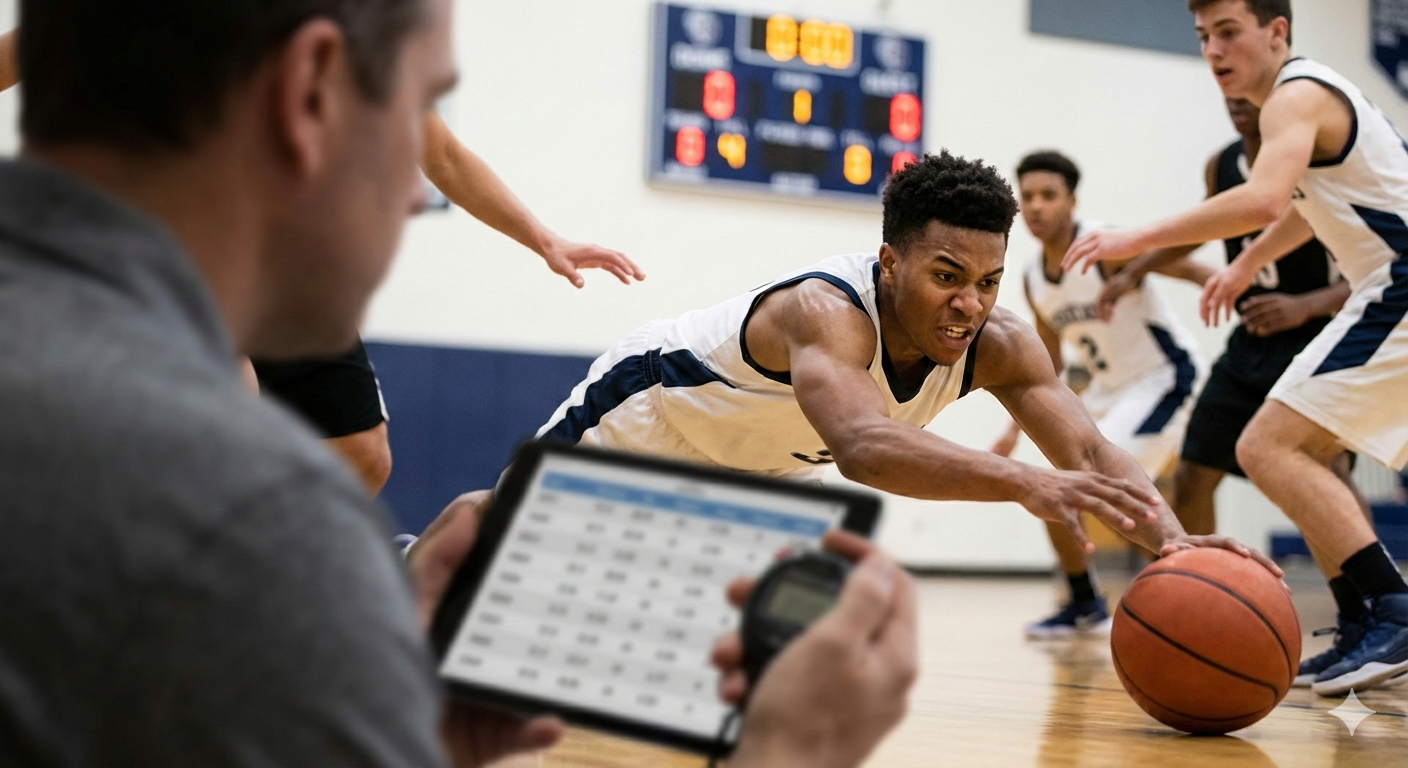
Turning Your Athletic Profile into a Must-Read Narrative In the crowded world of digital recruiting, stats are just noise—your unique strengths are the signal that makes a coach stop scrolling and start watching.
Believing You Belong at the Next Level

Playing With Intention, Not Just Ambition

The Mindset That Separates Competitors from Contenders

Why Great Athletes Learn to Love the Journey

Building Your Identity as a Student-Athlete

Developing the Right Mindset for Your Recruiting Journey

Are you prepared for the Recruiting Race? It's a marathon not a sprint.
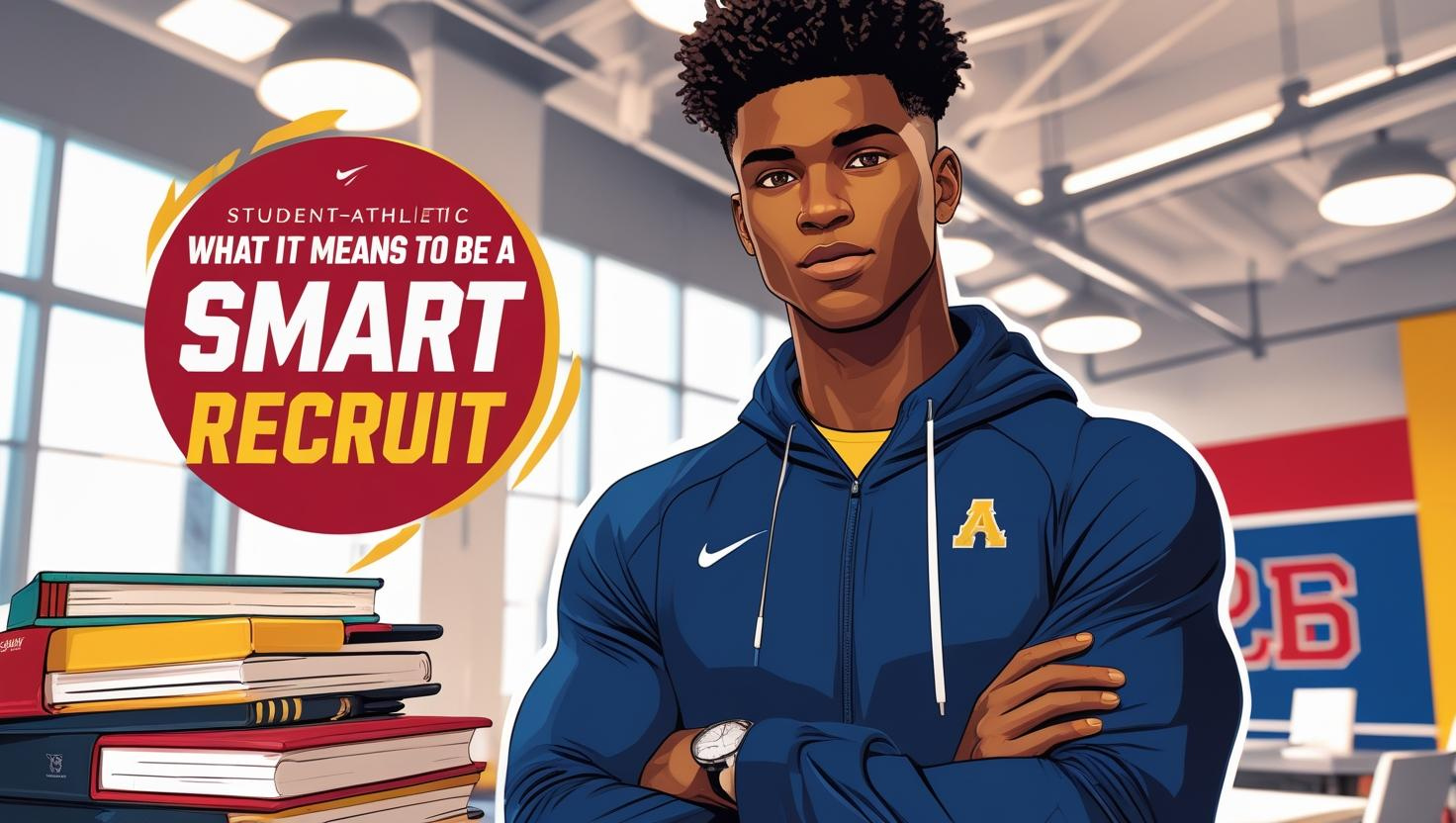
💡 What It Means to Be a SMART Recruit If you're a high school student-athlete with dreams of playing at the college level, you’ve probably heard how competitive and confusing the recruiting process can be. It’s true—navigating the world of college athletics, eligibility rules, academic requirements, communication with coaches, and scholarship opportunities can feel overwhelming. But here’s the good news: you don’t have to go through it blindly. Being a SMART Recruit means more than just athletic talent. It means you’re Educated , Empowered , Engaged , and Inspired . You take ownership of your journey by staying informed , organized , and committed to your future—both on and off the field. Let’s break it down. 🎓 Educated: Know the Landscape Smart Recruits take the time to understand the recruiting process. They know the rules, eligibility requirements, timelines, and what college coaches are looking for. They research the differences between NCAA Divisions I, II, III, NAIA, and NJCAA, and they understand how academics, athletics, and personal fit all play a role in finding the right school. Knowledge is power. When you're educated, you're able to avoid common mistakes, ask the right questions, and make informed decisions. 💪 Empowered: Own Your Journey Smart Recruits don’t wait for opportunity—they create it. They know that recruiting isn’t something that “just happens” to them. They take control by reaching out to coaches, attending the right events, and building a strong recruiting profile that reflects who they are as a student-athlete and a person. They recognize that no one will work harder for their future than they will . That sense of empowerment fuels their actions and keeps them moving forward—even when the journey gets tough. 🧠 Engaged: Be Proactive and Present The recruiting process is not passive—it requires you to stay active and engaged. Smart Recruits use tools like communication trackers, college lists, and visit checklists to stay on top of their outreach and deadlines. They’re not afraid to follow up, ask questions, and stay consistent. Being engaged means showing up: in your inbox, in the classroom, on the field, and in your mindset. Consistency beats luck every time. 🌟 Inspired: Stay Motivated by Your "Why" Every successful recruiting journey starts with a clear sense of purpose. Smart Recruits know why they’re pursuing college athletics, what they hope to achieve, and who they want to become in the process. That vision fuels their daily habits and decisions. Whether it's waking up early to train, studying late for a test, or rewriting an email to a coach—they’re motivated by a bigger goal and inspired to keep going, even when it’s hard. 🧭 Stay Informed. Stay Organized. Stay Ahead. Being a SMART Recruit also means staying informed about deadlines, program updates, and coach responses—and staying organized enough to manage it all. Whether you're managing communication, video links, or academic transcripts, having a system in place is crucial. That’s why tools like The Smart Recruit Tool Kit exist—to help you streamline the process, stay accountable, and make progress every week. 🎉 Coming Soon: The Smart Recruit Toolkit Get ready to take control of your college recruiting journey! The Smart Recruit —a comprehensive DIY toolkit designed to help student-athletes become educated, empowered, engaged, and inspired—will be launching soon. Packed with worksheets, templates, and expert guidance, this resource is your ultimate playbook to navigate the recruiting process with confidence and clarity. Stay tuned for the official launch! 🔚 Final Thought: Be the Recruit Coaches Want to Coach College coaches are looking for more than just athletic ability. They want students who are driven, self-aware, academically committed, and coachable. When you approach the process like a SMART Recruit , you show coaches you’re ready—not just to play at the next level, but to thrive there. ✅ Educated. ✅ Empowered. ✅ Engaged. ✅ Inspired. ✅ Informed & Organized. That’s what it means to be a SMART Recruit.