Recruiting Mindset Series #4: 💪 Grit & Resilience: Pushing Through Adversity

The Mindset That Separates Competitors from Contenders
The Mindset That Separates Competitors from Contenders


Every athlete loves the good moments — the big wins, the highlight plays, the recognition.
But the real test of your mindset isn’t how you act when things are going well.
It’s how you respond when they’re
not.

Injuries.

Losing streaks.
Tough coaches.
Getting benched.

Not hearing back from college coaches.


Every athlete faces adversity. The ones who make it to the next level? They have grit — the passion and perseverance to keep going, even when it’s hard.


What Grit Really Means

Grit isn’t about pretending everything is fine. It’s about staying committed when things aren’t.
It’s the ability to push through failure, frustration, and fatigue without giving up on your goals.


As psychologist Angela Duckworth describes it, grit is “passion and perseverance for long-term goals.
It’s what allows you to show up again and again — even when motivation fades.


Talent gets you noticed.
Grit keeps you moving forward.


When Coaches Say “No”

At some point in the recruiting process, almost every student-athlete hears “no.”
No response.
No roster spot.
No offer.


That moment can either discourage you — or develop you.

Grit and resilience show up in how you respond to rejection. College coaches saying “no” isn’t always a reflection of your talent; often it’s about timing, roster needs, scholarships, or fit. The athletes who move forward don’t take it personally — they take it productively.

They ask:

  • What can I improve?
  • What level or fit makes the most sense for me?
  • How do I keep showing up with confidence and consistency?

Rejection isn’t the end of the road — it’s part of the process. Every “no” builds mental toughness, sharpens focus, and prepares you for the next opportunity.

"Resilient athletes don’t quit when they hear no
— they adjust, grow, and keep going."

Resilience: Bouncing Back Stronger

Resilience is your ability to recover, learn, and grow from challenges.
Every time you get knocked down and choose to stand back up — you build resilience.

It’s not about avoiding adversity; it’s about adapting to it.

College coaches love resilient athletes because they know those players won’t fold under pressure.
They’ll fight, they’ll adjust, and they’ll find a way to keep competing.


How to Build Grit and Resilience

1️⃣ Embrace Discomfort – Growth happens outside your comfort zone. Seek challenges, don’t avoid them.
2️⃣
Control What You Can – Focus on effort, attitude, and preparation — not outcomes or comparisons.
3️⃣
Use Setbacks as Setups – When something goes wrong, ask: “What is this teaching me?”
4️⃣
Keep Showing Up – Consistency builds confidence. Confidence builds resilience.


Adversity Reveals Character

When things get tough, you find out who you really are.
The athletes who rise are the ones who
refuse to quit, who see obstacles as opportunities to grow.

Remember — it’s not about being perfect, it’s about being persistent.

Tough times don’t define you. They refine you.


Ready to take the next step in your recruiting journey?
The Intentional Recruit Toolkit gives you the structure, tools, and guidance to build a clear, organized, and intentional recruiting plan.
👉 Become an intentional recruit today — get your toolkit here.


 THE INTENTIONAL RECRUIT: PURPOSE, PREPARATION, AND PATHWAYS TO THE NEXT LEVEL


#GuidingFutureStars #TheIntentionalRecruit #CollegeRecruiting #StudentAthleteMindset #RecruitingEducation #OwnTheProcess #AthleteDevelopment #CollegeSports #RecruitReady #AthleteMindset #LeadershipThroughSports #StudentAthleteSuccess #RecruitingJourney #MindsetMatters #GrowthMindset


By Chris Stack December 15, 2025
Why Great Athletes Learn to Love the Journey
By Chris Stack December 8, 2025
Building Your Identity as a Student-Athlete
By Chris Stack December 1, 2025
Developing the Right Mindset for Your Recruiting Journey
By Chris Stack June 14, 2025
Are you prepared for the Recruiting Race? It's a marathon not a sprint.
By Chris Stack June 1, 2025
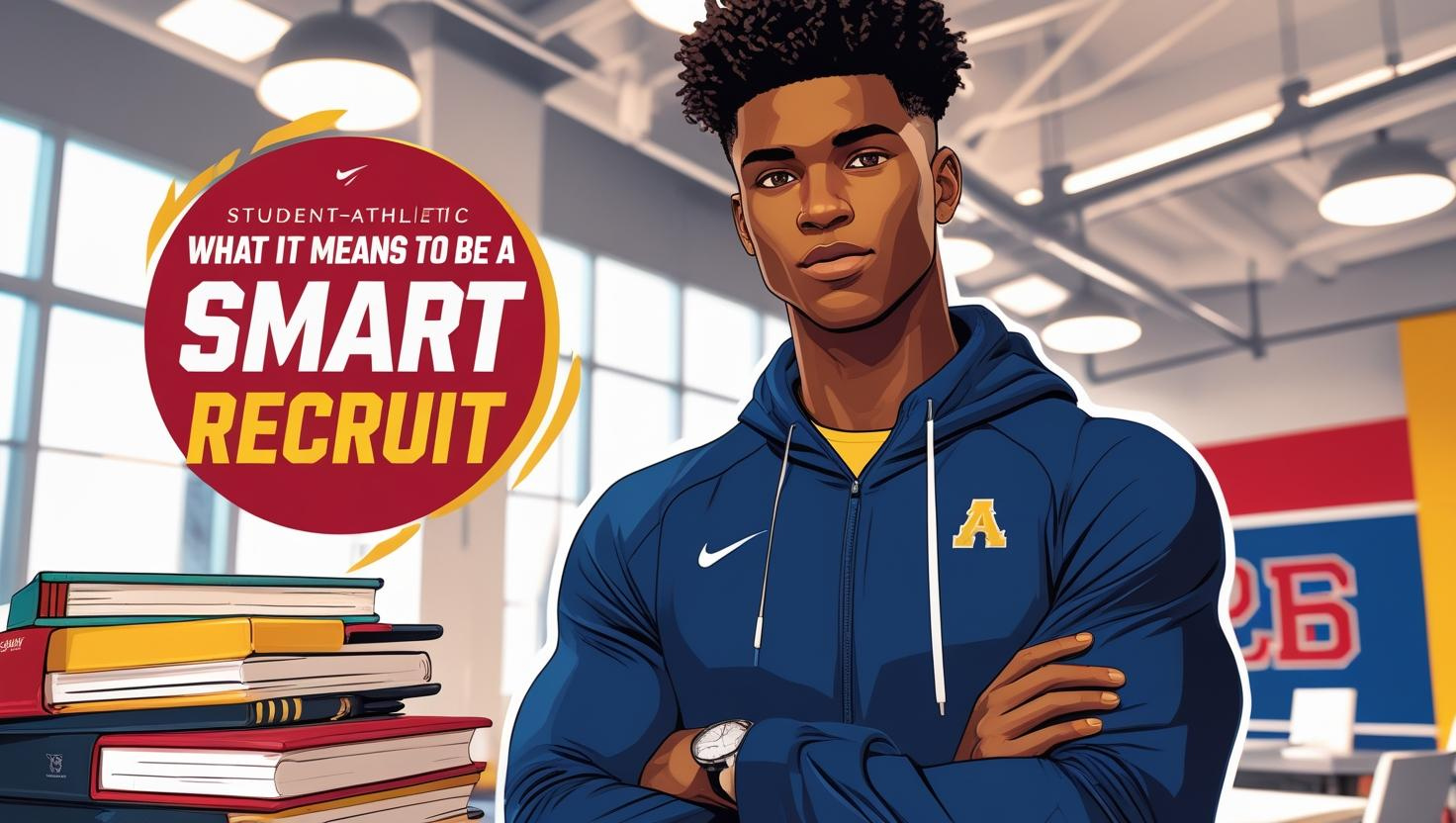
💡 What It Means to Be a SMART Recruit If you're a high school student-athlete with dreams of playing at the college level, you’ve probably heard how competitive and confusing the recruiting process can be. It’s true—navigating the world of college athletics, eligibility rules, academic requirements, communication with coaches, and scholarship opportunities can feel overwhelming. But here’s the good news: you don’t have to go through it blindly. Being a SMART Recruit means more than just athletic talent. It means you’re Educated , Empowered , Engaged , and Inspired . You take ownership of your journey by staying informed , organized , and committed to your future—both on and off the field. Let’s break it down. 🎓 Educated: Know the Landscape Smart Recruits take the time to understand the recruiting process. They know the rules, eligibility requirements, timelines, and what college coaches are looking for. They research the differences between NCAA Divisions I, II, III, NAIA, and NJCAA, and they understand how academics, athletics, and personal fit all play a role in finding the right school. Knowledge is power. When you're educated, you're able to avoid common mistakes, ask the right questions, and make informed decisions. 💪 Empowered: Own Your Journey Smart Recruits don’t wait for opportunity—they create it. They know that recruiting isn’t something that “just happens” to them. They take control by reaching out to coaches, attending the right events, and building a strong recruiting profile that reflects who they are as a student-athlete and a person. They recognize that no one will work harder for their future than they will . That sense of empowerment fuels their actions and keeps them moving forward—even when the journey gets tough. 🧠 Engaged: Be Proactive and Present The recruiting process is not passive—it requires you to stay active and engaged. Smart Recruits use tools like communication trackers, college lists, and visit checklists to stay on top of their outreach and deadlines. They’re not afraid to follow up, ask questions, and stay consistent. Being engaged means showing up: in your inbox, in the classroom, on the field, and in your mindset. Consistency beats luck every time. 🌟 Inspired: Stay Motivated by Your "Why" Every successful recruiting journey starts with a clear sense of purpose. Smart Recruits know why they’re pursuing college athletics, what they hope to achieve, and who they want to become in the process. That vision fuels their daily habits and decisions. Whether it's waking up early to train, studying late for a test, or rewriting an email to a coach—they’re motivated by a bigger goal and inspired to keep going, even when it’s hard. 🧭 Stay Informed. Stay Organized. Stay Ahead. Being a SMART Recruit also means staying informed about deadlines, program updates, and coach responses—and staying organized enough to manage it all. Whether you're managing communication, video links, or academic transcripts, having a system in place is crucial. That’s why tools like The Smart Recruit Tool Kit exist—to help you streamline the process, stay accountable, and make progress every week. 🎉 Coming Soon: The Smart Recruit Toolkit Get ready to take control of your college recruiting journey! The Smart Recruit —a comprehensive DIY toolkit designed to help student-athletes become educated, empowered, engaged, and inspired—will be launching soon. Packed with worksheets, templates, and expert guidance, this resource is your ultimate playbook to navigate the recruiting process with confidence and clarity. Stay tuned for the official launch! 🔚 Final Thought: Be the Recruit Coaches Want to Coach College coaches are looking for more than just athletic ability. They want students who are driven, self-aware, academically committed, and coachable. When you approach the process like a SMART Recruit , you show coaches you’re ready—not just to play at the next level, but to thrive there. ✅ Educated. ✅ Empowered. ✅ Engaged. ✅ Inspired. ✅ Informed & Organized. That’s what it means to be a SMART Recruit.
By Chris Stack May 12, 2025
Discover Your Why, Define Your Way
By Chris Stack May 5, 2025
How to Embrace the College Recruiting Process
By Chris Stack April 15, 2025
Unlock the College Athletics Landscape and Find the Right Path for You
By Chris Stack April 15, 2025
Tap Into Your Inner Jedi and Own the Recruiting Process
An aerial view of a football field in a stadium.
By Chris Stack April 4, 2025
The recruiting landscape for high school student-athletes is on the cusp of a significant transformation. Recent NCAA lawsuits and rulings have far-reaching implications that will change the way colleges recruit, distribute scholarships, and compensate athletes. As the dust settles, here's how these changes will impact the future of recruiting: Employee Status: A Game-Changer The recent ruling that grants employee status to college athletes will revolutionize the recruiting process. Colleges will now need to consider the financial and legal implications of employing student-athletes. This shift will likely lead to: - More emphasis on compensation packages and benefits - Changes in scholarship models and revenue sharing - Increased focus on athlete welfare and support services NCAA Athletes as Employees: Recent Ruling and Implications* A U.S. appeals court in Philadelphia ruled on July 11, 2024, that college athletes whose efforts primarily benefit their schools may qualify as employees deserving of pay under federal wage-and-hour laws ¹. This decision means that a test should be developed to differentiate between students who play college sports for fun and those whose effort "crosses the legal line into work" ¹. - Implications This ruling has significant implications for the NCAA and its long-standing concept of amateurism ¹. If athletes are considered employees, they may be entitled to compensation, benefits, and legal protections ². However, NCAA officials argue that this could harm student-athletes' experiences and create financial burdens for schools ¹. - Ongoing Debate: This issue is part of a broader debate about the rights and compensation of college athletes ². Some argue that athletes should be paid for their labor, while others believe that compensation could undermine the amateur nature of college sports ³. The National Labor Relations Board is also considering whether college athletes should be considered employees under federal labor law ². - Potential Consequences If athletes are classified as employees, schools and the NCAA may face substantial back pay claims from current and former athletes ⁴. This could lead to significant changes in the way college sports are structured and financed ². However, others argue that this could lead to unintended consequences, such as schools only funding profitable sports or detracting from the overall educational experience ². The Impact of New Ruling on Future College Rosters Reduced Roster Sizes Increased Injuries and Mental Health Issues Compensation and Benefits The impact of the new ruling on future college rosters is uncertain, with ongoing debates and discussions among coaches, administrators, and athletes ⁶. The new ruling's impact on future college rosters will likely unfold in the coming months and years. Name, Image, and Likeness (NIL): A New Recruiting Tool With the introduction of NIL guidelines, colleges can now use an athlete's marketability as a recruiting selling point. This will lead to: - Increased emphasis on social media presence and personal branding - Colleges highlighting their ability to help athletes build their NIL - More creative and lucrative endorsement opportunities Roster Size and Scholarship Implications Reduced roster sizes and changes in scholarship models will impact the number of available spots for incoming recruits. This will lead to: - Increased competition for fewer spots - More emphasis on early recruiting and commitments - Potential for more athletes to consider alternative routes like junior college or NAIA Recruiting Strategies: Adapting to the New Landscape Colleges will need to adapt their recruiting strategies to stay competitive. This may include: - Earlier identification and recruitment of top talent - More personalized and holistic approaches to recruiting - Increased focus on athlete development and support services The Student-Athlete Experience: A New Priority With the emphasis on athlete welfare and support services, colleges will need to prioritize the student-athlete experience. This will lead to: - Increased focus on academic support and resources - More emphasis on mental health and wellness programs - Colleges highlighting their commitment to athlete development and success beyond sports The future of recruiting high school student-athletes will be shaped by the evolving NCAA landscape. As colleges navigate these changes, they'll need to prioritize creative recruiting strategies, athlete welfare, and support services to attract top talent. Student-athletes, in turn, will need to be more proactive in their recruitment, considering factors beyond just athletic development. As the recruiting landscape continues to shift, one thing is certain – the future of college sports will be shaped by these transformative changes. Sources: Appeals court rules NCAA Athletes may qualify as employees - www.insidehighered.com NCAA Student-Athletes as Employees Case is Pandora's Box - news.bloomberglaw.com Are College Athletes "employees" of their school? - www.marketplace.org Pay to Play? Third Circuit Holds NCAA Athletes can be Considered Employees - www.littler.com